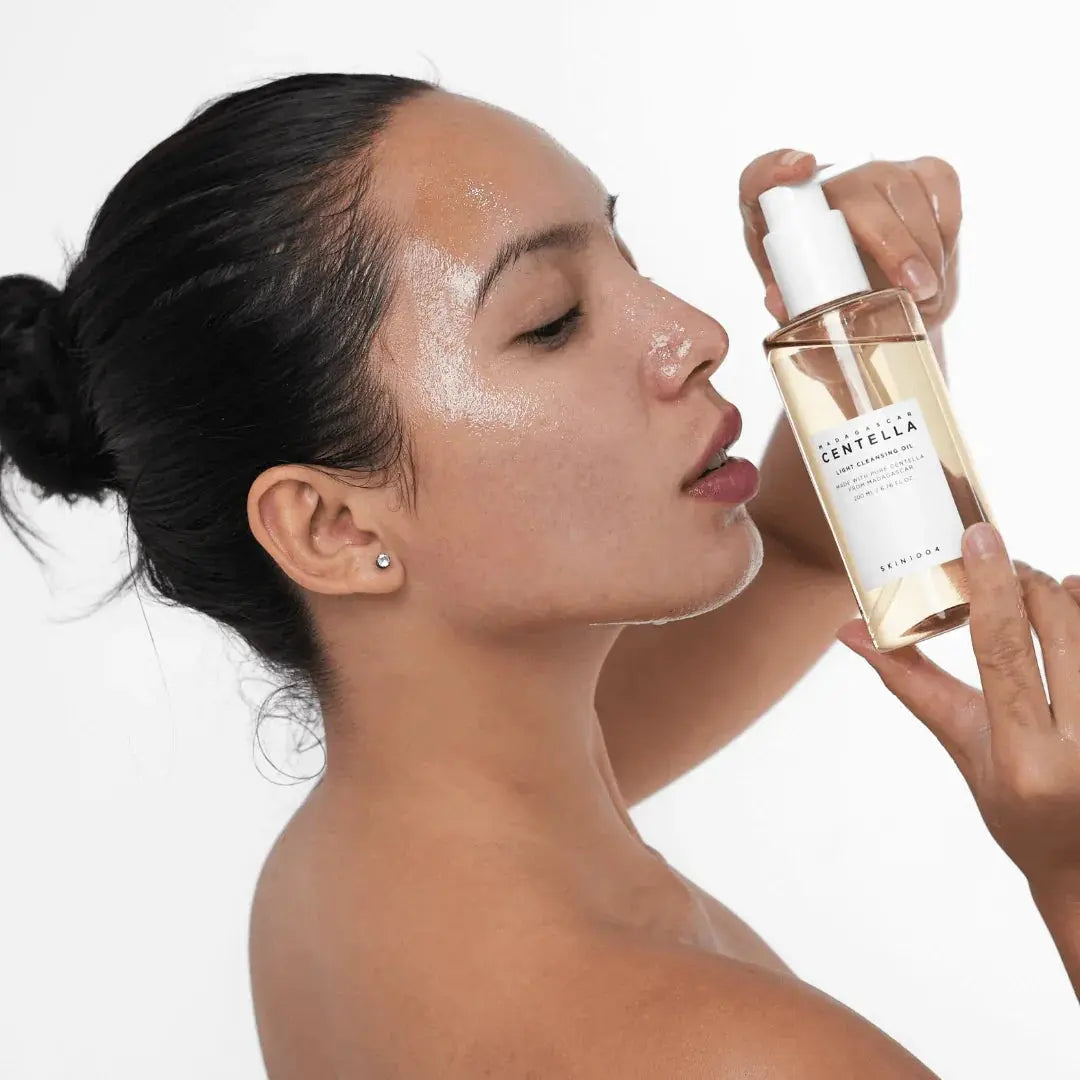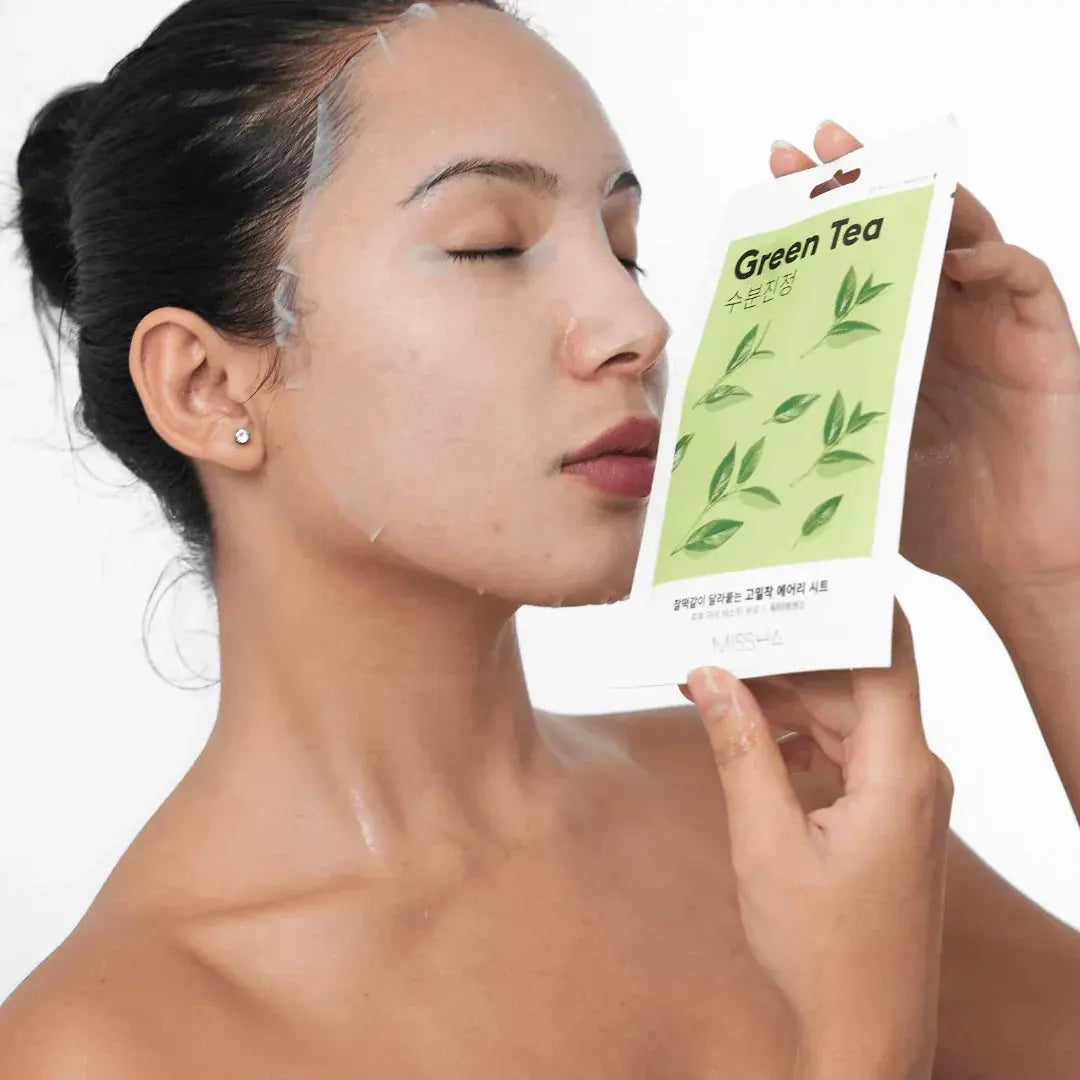

Short answer: “Korean skincare” describes a broad market and set of routines, not one formula, one required step count or one guaranteed result. Evaluate the finished product, directions and evidence instead of treating origin or trend status as proof.
Myth 1: a Korean routine must have ten steps
There is no universal required step count. A gentle cleanser, a suitable moisturizer and sun protection may form a useful basic routine; optional toners, essences, masks and actives should have a defined job. More simultaneous products can also make irritation harder to trace.
Myth 2: Korean origin guarantees a better formula
Country of origin does not establish suitability, tolerability or effectiveness. Check the exact ingredient list, product identity, directions, claims and seller. Apply the same evidence standard to Korean, European and other cosmetics.
Myth 3: natural, botanical or traditional means risk-free
Botanical ingredients can still irritate or trigger allergy, and a synthetic ingredient is not automatically harsher. “Clean,” “natural” and similar marketing language should not replace product-specific safety information or a cautious introduction.
Myth 4: price, novelty or complexity proves effectiveness
Price and packaging are commercial signals, not clinical outcomes. A claim should match the evidence for the finished product. Avoid turning an ingredient story, before-and-after image or influencer result into a guarantee.
Myth 5: one “sensitive skin” routine fits every reaction
DermNet describes sensitive skin as a lay term rather than a single diagnosis. Stinging, burning, redness or scaling can have different causes. Keep the routine simple, test unfamiliar products and seek professional advice for severe, recurrent or persistent symptoms.
A better product check
- Confirm the exact product and directions.
- Name the cosmetic goal without turning it into a diagnosis.
- Introduce one new variable at a time.
- Record what happened over a reasonable period and stop for a clear reaction.
Sources and evidence limits
- American Academy of Dermatology: skin types and routine basics.
- American Academy of Dermatology: avoid overloading a routine with irritating products.
- American Academy of Dermatology: test unfamiliar skin care products.
- DermNet: sensitive skin.
- European Commission: common criteria for cosmetic claims.