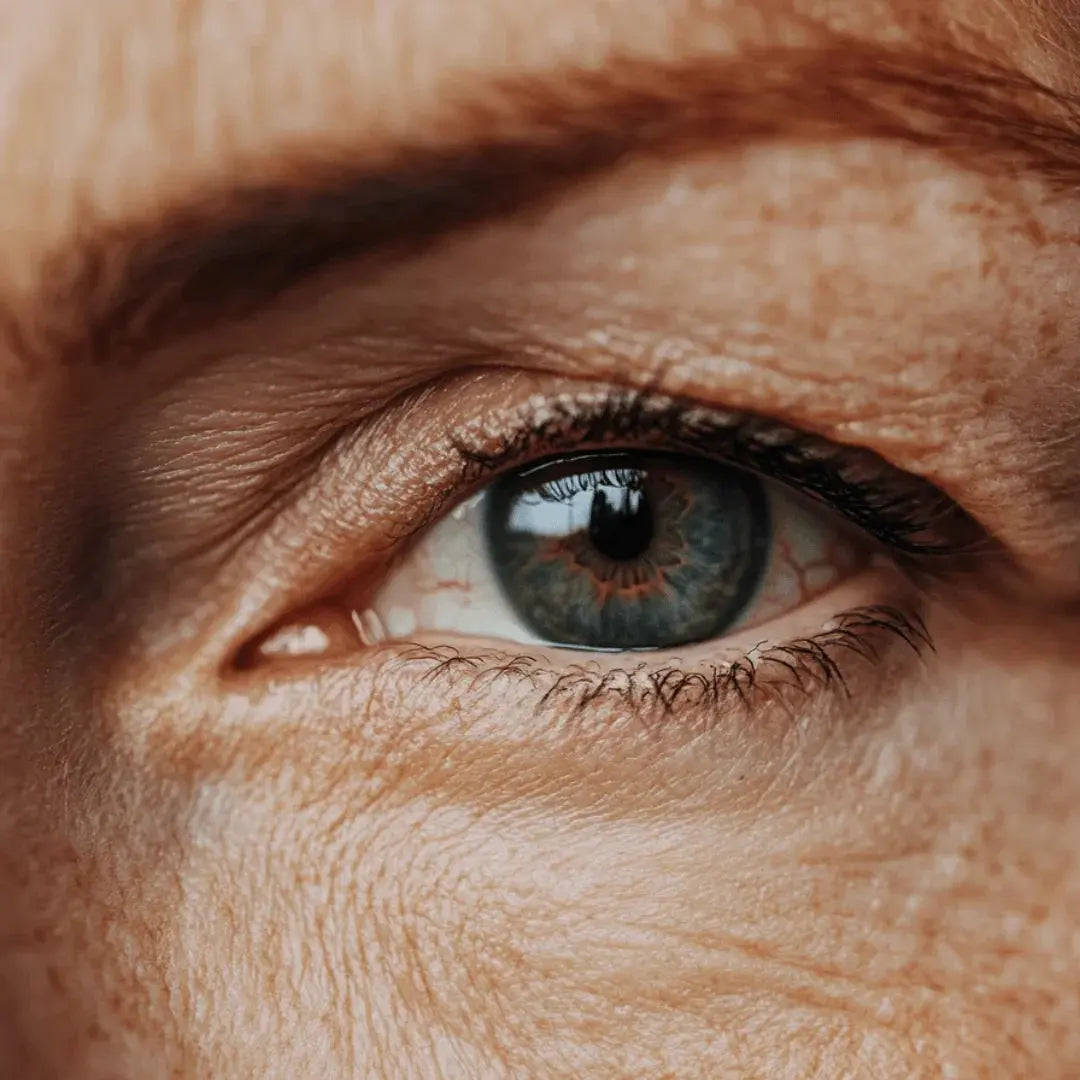

The best Korean skincare for oily skin is a light, simple routine you will actually keep: a gentle cleanser, a watery toner or essence, an oil-free gel or light cream and sunscreen every morning, plus one exfoliating step a few times a week. Oily skin still needs moisture, so choose products that balance shine instead of stripping it. If your skin is also acne-prone, keep things gentle and add one new product at a time.
What is oily, acne-prone skin?
Oily skin makes more sebum, the natural oil that keeps skin soft. You usually notice shine on the forehead, nose and chin by midday, larger-looking pores and makeup that slides off. Acne-prone, or blemish-prone, skin gets clogged pores, blackheads and spots easily. The two often go together, but not always: you can be oily with few breakouts, or get spots on skin that feels dry.
How oily you are depends a lot on genes, hormones, age and climate, so skincare cannot change your skin type. It can help keep pores clear, shine in check and skin comfortable. Watch for two common combinations:
- Oily and dehydrated: shiny on the surface but tight after washing. Harsh cleansing and cold, dry air are typical causes.
- Oily and sensitive: shiny but quick to sting or turn red. Fewer and milder products work better here.
Not sure which one you are? Our skin quiz helps you find your skin type in a few minutes.
What is a good Korean skincare routine for oily skin?
Korean routines are known for many steps, but oily skin usually does better with four or five light layers:
- Cleanse. Morning and evening, use a gentle foam or gel. In the evening, start with a cleansing oil or balm if you wear sunscreen or makeup.
- Prep. A watery toner, or an exfoliating pad on the days you exfoliate.
- Focus on one concern. One serum or ampoule, for example BHA for pores or niacinamide for uneven-looking tone.
- Moisturize. A gel, fluid or light cream, morning and night. Oily skin rarely needs a heavy night cream.
- Protect. Every morning, a broad-spectrum sunscreen with SPF 30 or higher.
The American Academy of Dermatology (AAD) suggests washing oily skin up to twice a day and after sweating, using your fingertips and no scrubbing. It also suggests leave-on skincare, sunscreen and makeup labelled oil-free or non-comedogenic (made not to clog pores). These labels lower the risk but are no guarantee.
Double cleansing is optional: if one gentle cleanser removes your sunscreen and makeup, a second cleanse mostly adds irritation.
Does oily skin still need a moisturizer?
Yes. Skipping it can leave oily skin tight and uncomfortable, especially after strong cleansers or acids. The AAD notes that a suitable moisturizer can help skin cope with drying acne products, and it recommends oil-free, non-comedogenic labels.
To hydrate oily skin without heaviness:
- Choose a gel, gel cream, fluid or light lotion rather than a rich balm.
- Look for water-binding ingredients such as glycerin, hyaluronic acid and panthenol.
- Use the lightest texture that leaves your skin comfortable. A completely matte face is not the goal.
Looking for a cream for excess sebum? No cream switches oil production off, so pick a light texture and keep blotting paper for midday shine.
How do I choose Korean skincare for my oily skin?
Start from what your skin does on a normal day, then pick one product per step. The examples below are products we stock, and you can shop the whole range in our oily skin collection.
| Your skin | What to look for | Go easy on |
|---|---|---|
| Shiny all over by midday | Gel cleanser, light gel cream, BHA a few times a week, clay mask weekly | Rich balms and heavy oils |
| Shiny but tight after washing | Mild pH-balanced cleanser, hydrating toner, cream with glycerin or hyaluronic acid | Strong foams, frequent acids |
| Oily and quick to sting or redden | Few products, PHA instead of strong AHA, unscented formulas | Scrubs, essential oils, stacking actives |
| Visible pores and blackheads | Cleansing oil first, BHA, clay mask | Pore strips and squeezing |
| Dark marks after spots | Niacinamide, tranexamic acid, daily SPF | Picking at spots |
Cleansers
Beplain Mung Bean pH-Balanced Cleansing Foam 80ml is a gentle daily foam with 33% mung bean extract, ceramide NP and sodium hyaluronate. Beplain lists it for acne-prone, oily, dry and sensitive skin. For the evening first cleanse, Ma:nyo Pure Cleansing Oil 200ml blends 14 plant oils, dissolves makeup and impurities and turns milky when you add water, so it rinses off. Ma:nyo describes it as suitable for all skin types, including acne-prone skin, and suggests massaging a little longer around the nose where blackheads show. It contains lavender, orange and tea tree oils, so patch test first if scented oils bother your skin.
Exfoliants for pores and texture
Dr. Ceuracle Vegan BHA Matcha Ampoule 30ml pairs salicylic acid, a BHA that dissolves excess oil in pores, with green tea extract, and is made for oily skin. It contains fragrance. Isntree Chestnut AHA 8% Clear Essence 100ml uses an 8% blend of glycolic and lactic acid with chestnut shell extract to smooth bumpy texture and refine the look of pores. Isntree suggests 2 to 3 times a week for sensitive skin and sunscreen every day while you use it. If you prefer pads, Sungboon Editor Green Tomato Pore Peeling Jumbo Pad 60 Sheets combines PHA with green tomato extract and hyaluronic acid to lift dead skin cells and makeup residue, aimed at enlarged-looking pores. It contains fragrance ingredients, so patch test first. More options sit in our pore care collection.
A weekly clay mask
SOME BY MI SUPER MATCHA PORE CLEAN CLAY MASK 100g combines kaolin and bentonite clay with green tea leaf powder and what SOME BY MI calls a naturally sourced BHA. Spread it on a clean, dry face away from the eyes and lips, then rinse with lukewarm water once it has dried, after 10 to 20 minutes.
A moisturizer
SOME BY MI Yuja Niacin Anti Blemish Care Cream 60g is an EVE Vegan certified cream with 70% yuja (Korean citron) extract and 5% niacinamide. It adds moisture, is made to reduce the look of blemishes and help skin tone look more even, and goes on last. It also contains jojoba oil and citrus peel oil, so try it on a small area first if your skin is reactive. For more light textures, browse our oil control range.
Marks left after spots
Medicube TXA Niacinamide Serum 30ml is a lightweight serum with 5% tranexamic acid, 10% niacinamide and 2% arbutin, made for the look of dark spots and uneven skin tone. Introduce it slowly if you also use exfoliating acids or retinoids, and wear sunscreen, because sun exposure can make dark marks more noticeable.
How often should you exfoliate oily skin?
Oily skin often handles exfoliation well, but too much acid can leave it tight, red and shinier than before.
- BHA (salicylic acid): dissolves in oil, so it reaches into pores. A good first choice for blackheads and shine.
- AHA (glycolic or lactic acid): works on the surface, for rough texture and dullness.
- PHA: a milder acid that suits oily skin that is also sensitive.
- Clay masks: soak up surface oil. Once or twice a week is plenty for most people.
Start with one exfoliating product two or three evenings a week and build up only if your skin stays comfortable. Avoid stacking several acids, or acids and retinoids, on the same night. Our guide to skincare ingredients you should not mix explains the common clashes.
How can I make blemishes less visible?
Skincare can help blemish-prone skin look clearer and feel balanced, but cosmetics are not a medical treatment. Three everyday habits help:
- Hands off. The AAD warns that picking or squeezing can make a spot last longer and raise the chance of a dark mark or scar.
- Cover single spots. A hydrocolloid patch keeps fingers away and hides the spot. Compare the options in acne patches vs spot treatment or browse our pimple patches.
- Change one thing at a time. Switching products every few days can irritate skin and makes it hard to tell what helps.
Give any change time. For acne medicines, the AAD says improvement may show after four to six weeks and clearer skin can take two to three months or longer, so a new cosmetic routine needs patience too. You will find more gentle options in our acne and blemish care collection.
When to see a doctor or pharmacist: if breakouts are painful, deep or widespread, leave scars or keep coming back despite a steady routine, if you are pregnant or planning a pregnancy, or if you are unsure the spots are acne at all. Clinical guidelines such as the NICE acne guidance base treatment on how severe acne is and on your personal situation. In the EU, benzoyl peroxide and retinoids such as adapalene or tretinoin are medicines, not cosmetics, so ask a pharmacist or doctor about them.
How does Nordic weather change oily skin care?
Nordic winters are hard on oily skin. Cold air outside and indoor heating inside dry out the surface, so many people feel tight and shiny at the same time through the dark months. In winter:
- Keep the cleanser mild and skip the second cleanse on days without makeup.
- Swap a gel for a slightly richer gel cream, or add an extra layer of hydrating toner.
- Cut back on exfoliation if your skin starts to sting.
From spring onward, go lighter again and make sunscreen a daily habit as the sun gets stronger; snow also reflects sun on winter ski days. A light fluid or gel sunscreen is easier to wear on oily skin than a thick cream. Outdoors, the AAD recommends reapplying about every two hours and after sweating or swimming.
FAQ
Does food cause breakouts?
The link between diet and breakouts is still debated and seems to differ between people. If certain foods seem to line up with flare-ups, talk to a doctor or dietitian before cutting out whole food groups.
What does anti-blemish mean on Korean skincare?
It is a cosmetic label for products made for skin prone to breakouts, often with BHA, niacinamide, centella or tea tree. It describes what the product is made for, not a treatment, so still check the ingredients and texture.
Is cleansing oil bad for oily skin?
Not usually. A cleansing oil turns milky with water and rinses off, taking sunscreen and makeup with it. Follow with a gentle foam if your skin still feels greasy, and pick an unscented oil if your skin is sensitive.
Can oily skin get fine lines?
Yes. Oily skin still gets fine lines with age and sun exposure, and dehydration makes them more visible. Daily sunscreen and a light moisturizer help most, and our guide to the retinol sandwich method shows how to add retinol gently.
Is there a test for acne-prone skin?
No home test can diagnose it, but shine by midday, visible pores and frequent clogged pores or spots are clues. Our skin quiz suggests a skin type and routine, and a doctor can look at breakouts that worry you.
Keauty sells some of the products mentioned here.
Sources
- How to control oily skin. American Academy of Dermatology.
- Moisturizer: Why you may need it if you have acne. American Academy of Dermatology.
- Acne: Tips for managing. American Academy of Dermatology.
- 9 things to try when acne won't clear. American Academy of Dermatology.
- How to decode a sunscreen label. American Academy of Dermatology.
- Acne vulgaris: management (NG198). National Institute for Health and Care Excellence.
This is general cosmetic information. Skin differs from person to person, so patch test new products and ask a doctor or pharmacist about any skin condition.