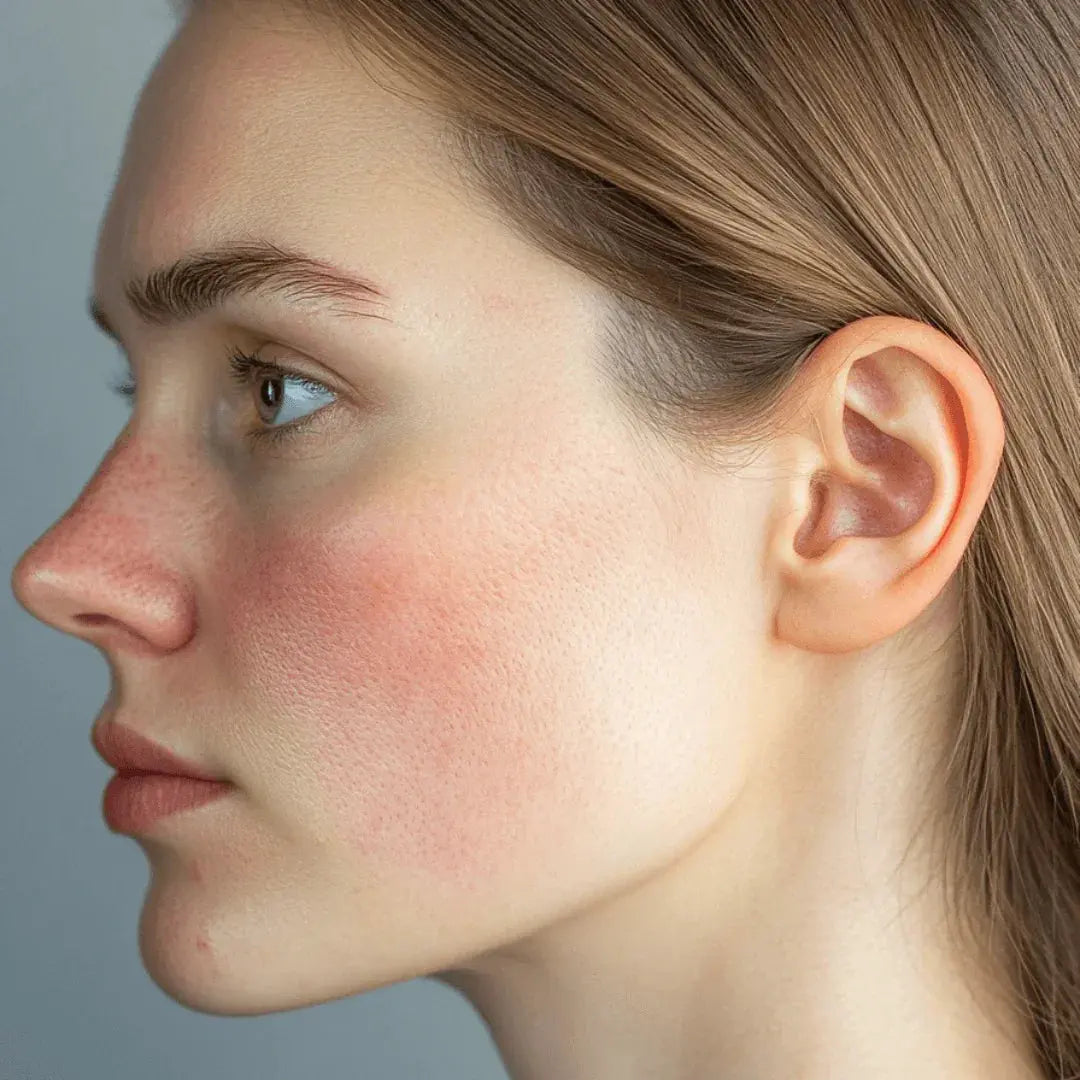

Short answer: Combination skin means different facial areas can behave differently—commonly oilier in some zones and drier in others. The goal is not to “force balance” or permanently shrink pores, but to use a simple base routine and target only the areas that need something different.
Start with a shared base routine
- Cleanse gently: use a mild cleanser and avoid repeated harsh washing intended to remove every trace of oil.
- Moisturize: a lotion can be a practical starting texture for combination skin. Apply more to dry areas and less to areas that already feel comfortable.
- Protect from the sun: choose broad-spectrum sunscreen with an appropriate SPF and apply it according to the label.
Treat zones, not a skin-type label
If the centre of the face is shiny but the cheeks feel tight, one aggressive all-over product can worsen the dry areas. Use any oil-control or exfoliating step only where there is a clear need, introduce it at low frequency and keep the rest of the routine stable.
Hydration and oil are not opposites. Dry or irritated skin can still look shiny, and an oily area can still become uncomfortable after over-cleansing. Observe tightness, flaking, shine and product reactions separately.
Change one variable at a time
Season, indoor heating, humidity, hormonal changes and new products can alter how skin behaves. Recheck the routine instead of treating “combination” as a permanent diagnosis. If redness, burning, cracking, acne or another concern is persistent or severe, seek professional assessment.
Claims this guide does not make
- No product can be guaranteed to “normalize” oil production for everyone.
- Visible pores can change in appearance, but “permanent pore shrinking” is not promised.
- “Non-comedogenic” and “for combination skin” are useful label clues, not guarantees of individual tolerance.